
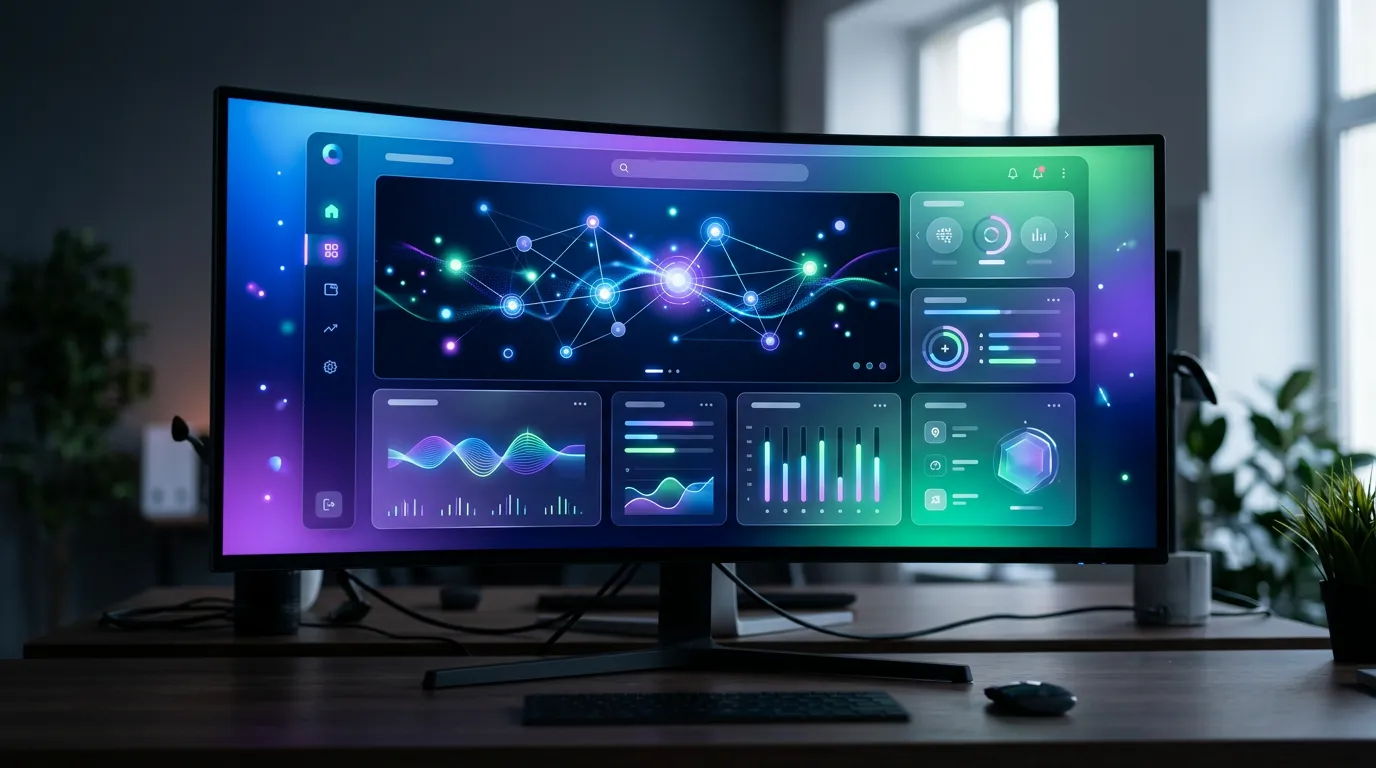
Personalization Through Technology
AI and machine learning are enabling personalized web experiences at scale. Websites can now adapt content, recommendations, and even layout based on individual visitor behavior, preferences, and demographics.
This doesn't mean intrusive tracking. Smart personalization improves user experience by showing relevant content and products. Done well, it feels helpful rather than creepy.
Minimalism and Intentional Complexity
Clean, minimalist design continues to dominate because it works. By eliminating unnecessary elements, intentional design forces you to communicate more clearly and help users focus on what matters.
However, minimalism doesn't mean boring. Sophisticated use of whitespace, subtle animations, and thoughtful micro-interactions create engaging experiences without visual chaos.
Accessibility as Standard Practice
Accessibility is no longer a nice-to-have—it's becoming table stakes. Modern web design prioritizes keyboard navigation, screen reader compatibility, readable contrast ratios, and inclusive color choices.
This benefits everyone. A website that's accessible to people with disabilities works better for all users, improves SEO, and reflects a commitment to inclusive design principles.